
Skip to content
OfficerFinancing.caA Mortgage Guru Financial desk
Comparison guide

Mortgages for all officers: what actually differs by profession.

Police, corrections, sheriffs and CBSA officers all carry permanent, pensioned, union-backed employment — and all of them are routinely under-read at a bank branch, for different reasons. This guide compares how lenders treat overtime, shift premiums, on-call pay and pensions across these professions, and what that means for the approval you actually get.

There is no single national "first responder mortgage program" in Canada that hands out a fixed discount. What exists — and what is worth more in practice — is the gap between lenders in how much of your real income they agree to count. Two lenders reading the same police or corrections pay stub can arrive at very different qualifying incomes. Closing that gap is documentation work, not a promo code.

Profession by profession

Same category, different documentation problems.

Police cruisers on a city street at night

Police & RCMP

How the pay is built
Base salary plus shift differentials, court time, paid duty and acting pay — often across several stub lines.
How lenders read it
Paid-duty and court-time earnings are the most commonly dropped lines at a branch. A documented two-year pattern is what turns them into qualifying income.
What to watch
Detachment transfers and secondments can reset the employment letter — timing the file around a posting matters more than it does for most borrowers.
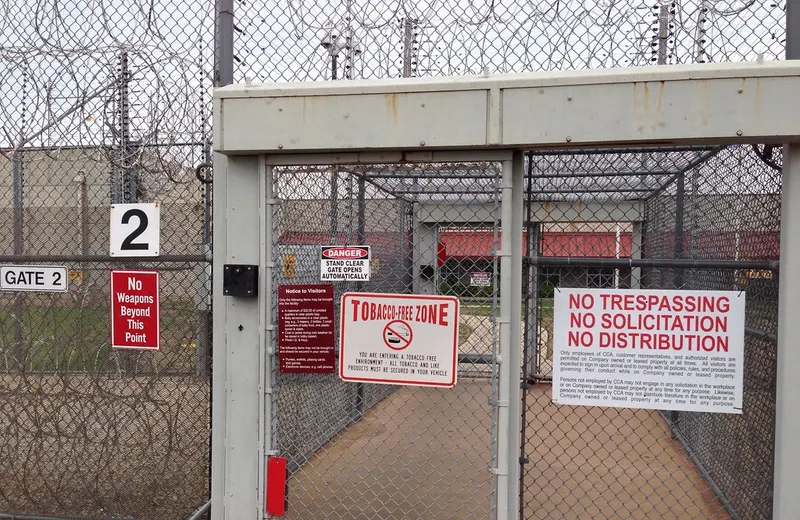
Secure gate and fencing at a correctional facility

Corrections, sheriffs & CBSA

How the pay is built
Institution and port-of-entry rosters with statutory, night and weekend premiums, plus overtime coverage.
How lenders read it
The premium codes on these stubs are opaque to anyone who does not see them regularly; translating them line by line is what keeps them in the income calculation.
What to watch
Federal and provincial pay systems issue retro and adjustment payments that can distort a single stub — the file should show the run, not the snapshot.
Line by line

Which parts of the stub a lender will count.

Base salary

Counted in full by every lender.

Never the problem — but on an officer's stub it is often only part of the story.

Shift & night premiums

Usually counted when a consistent history is documented.

Recurring by roster, so they read well once the stubs and letter of employment line up.

Overtime & call-back

Commonly averaged over two years; some lenders discount it.

This is where lender choice moves the approval amount most.

On-call & standby

Treated inconsistently between lenders.

Worth placing the file where it is read as income rather than excluded outright.

Paid duty & court time

Counted when the history and pay codes are explained.

Frequently dropped in a rushed branch read.

Defined-benefit pension

Read as a strong stability signal in service and as income in retirement.

One of the biggest quiet advantages officers carry.

Officer pay FAQ

Straight answers before you apply.

Is there a special first responder mortgage program in Canada?

There is no national first-responder mortgage program with a fixed discount attached to it, and any site promising one should be read carefully. What genuinely exists is the difference between lenders in how they treat first-responder income — overtime, shift premiums, on-call pay and defined-benefit pensions — and that difference is often worth more than a posted-rate promotion. The work is placing the file where your actual pay is counted.

Do police, corrections and CBSA officers qualify differently?

The employment strength is similar — permanent, union-backed, pensioned public-sector work. What differs is the shape of the pay: police files often turn on paid duty and court time, corrections and sheriff files on institution rosters and premium codes, CBSA files on port-of-entry schedules and postings that move. Same category, different documentation problems.

Will my overtime count toward how much I can borrow?

Usually yes, when a consistent history is documented — most commonly a two-year average. How much of it counts varies by lender, which is why the same pay stub can produce meaningfully different approvals. We confirm the treatment for your file in writing before you start shopping for a home.

I'm part-time, casual or auxiliary. Can I still get approved?

Often, yes. The question is whether the hours read as a pattern rather than as scattered shifts, and whether your status is presented accurately in the employment letter. We review your specific history and tell you honestly what is workable now and what improves by waiting for a status change.

Which provinces do you cover?

Mortgage Guru Financial is licensed in British Columbia (BCFSA), and Ramin Hallaji is also licensed in Alberta (RECA) under DLC AIMI Collective Mortgage Group, so BC and Alberta files are handled directly. Ontario and Saskatchewan are handled with licensed co-broker partners while we stay involved in the file from first call to funding.

Talk to the desk

Find out how your pay actually reads.

Send over a recent pay stub and we'll tell you which lines a lender will count, which ones need explaining, and where the file belongs. Ramin Hallaji takes these calls personally, around shift work.

Serving conservation officers and Canadian Armed Forces members too — see the full uniformed-services desk.